Constellational Astrology on your Device
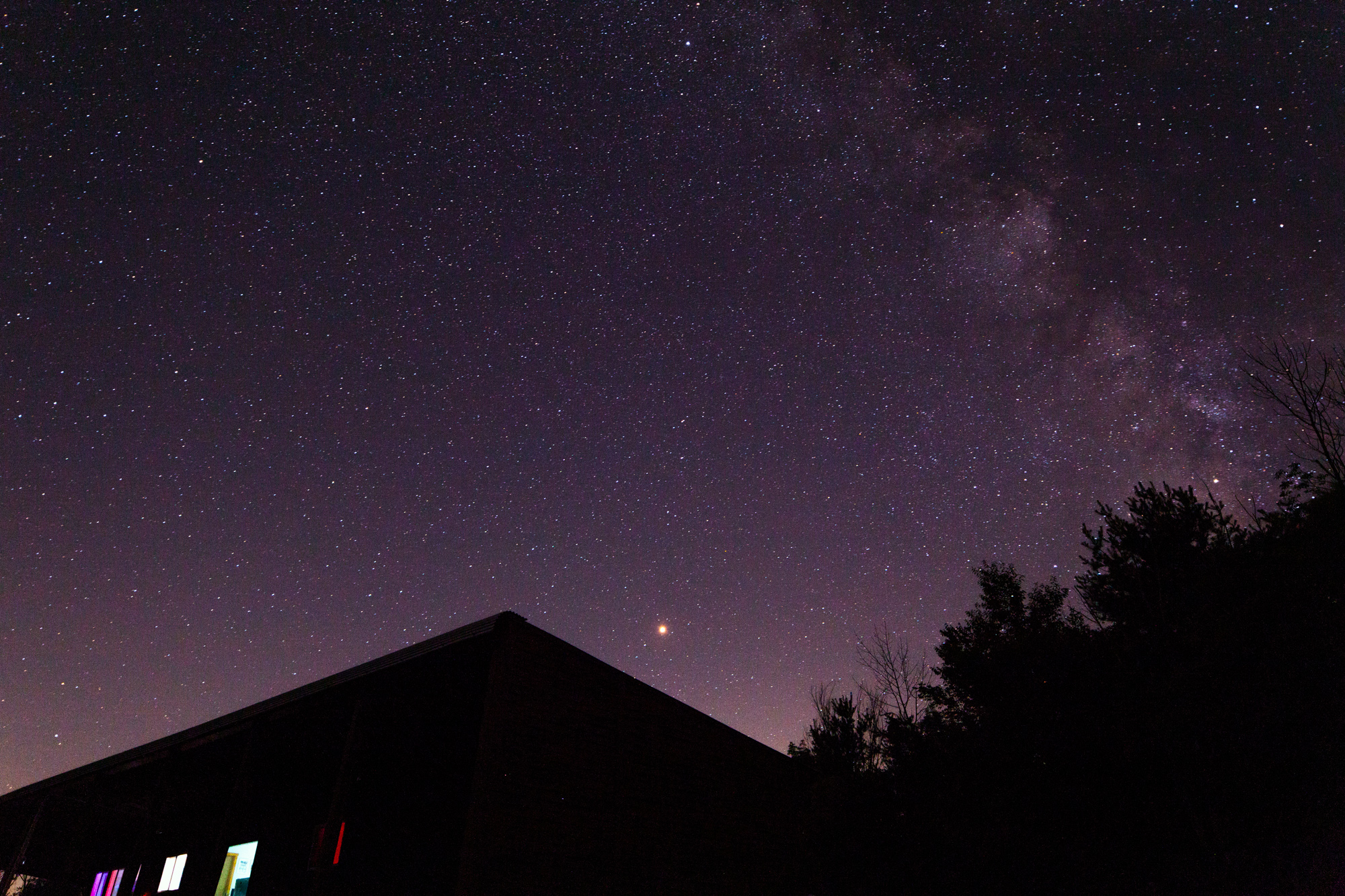
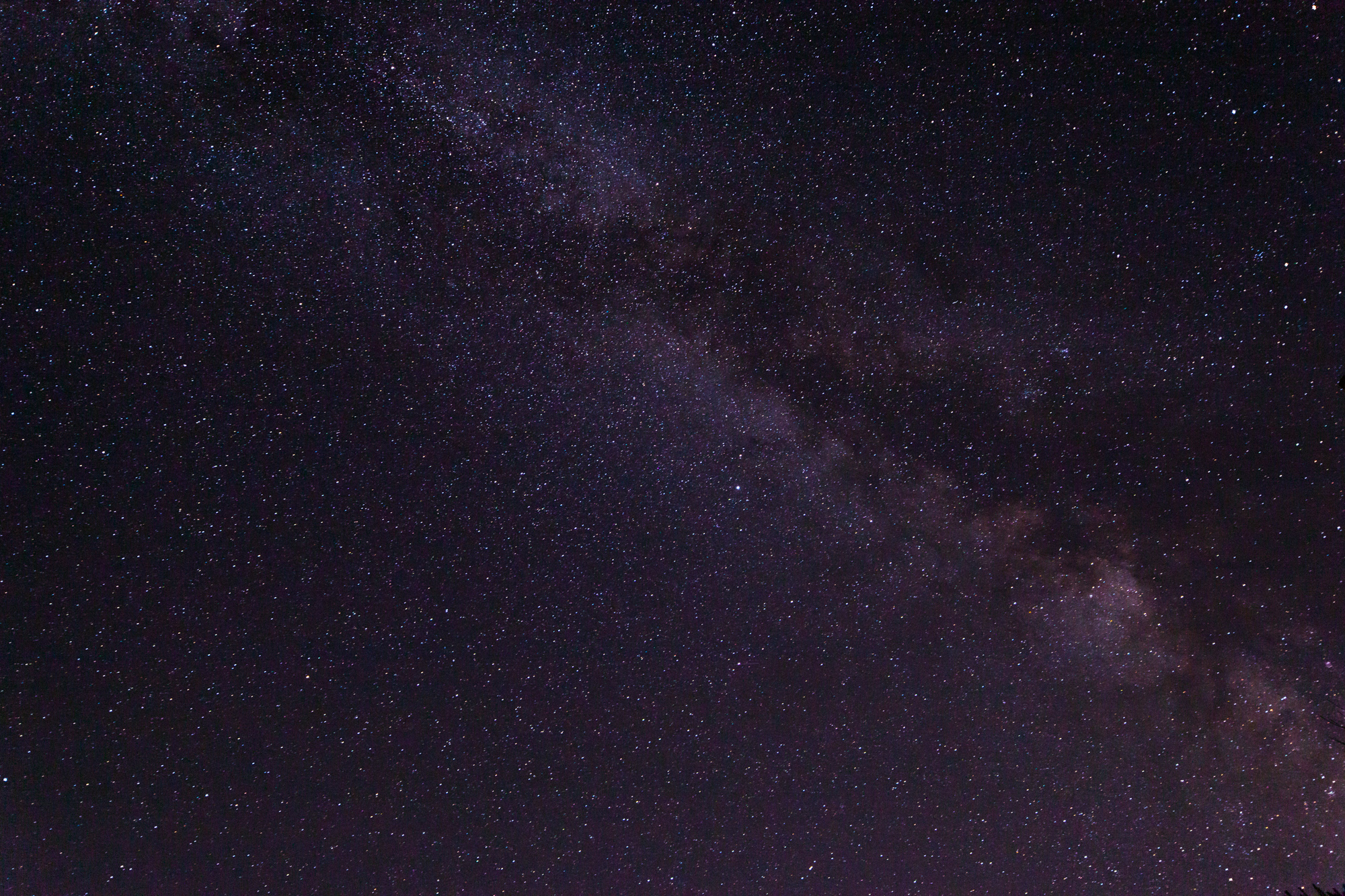
The actual skies above, on your desktop or laptop, now.
Cosmologically Grounded
Rooted in the movements of the celestial bodies, their mathematical formulation, and our interpretations of them. Building upon thousands of years of watching the sky above.
Observational Astrology
Designed to be responsive to a constellational sidereal astrology framework, yet also supportive of tropical and traditional sidereal approaches.
Open Source and Responsive
Open-source, open formats, open cross-platform, open to multiple modes of interaction. No subscriptions, ever. No AI-assisted coding, ever.
Selestium Astrology works as a downloadable application for your desktop or laptop. You control the software and your data. No internet connection is needed when using the program!
It runs natively on:
Unique Ecliptic Rings
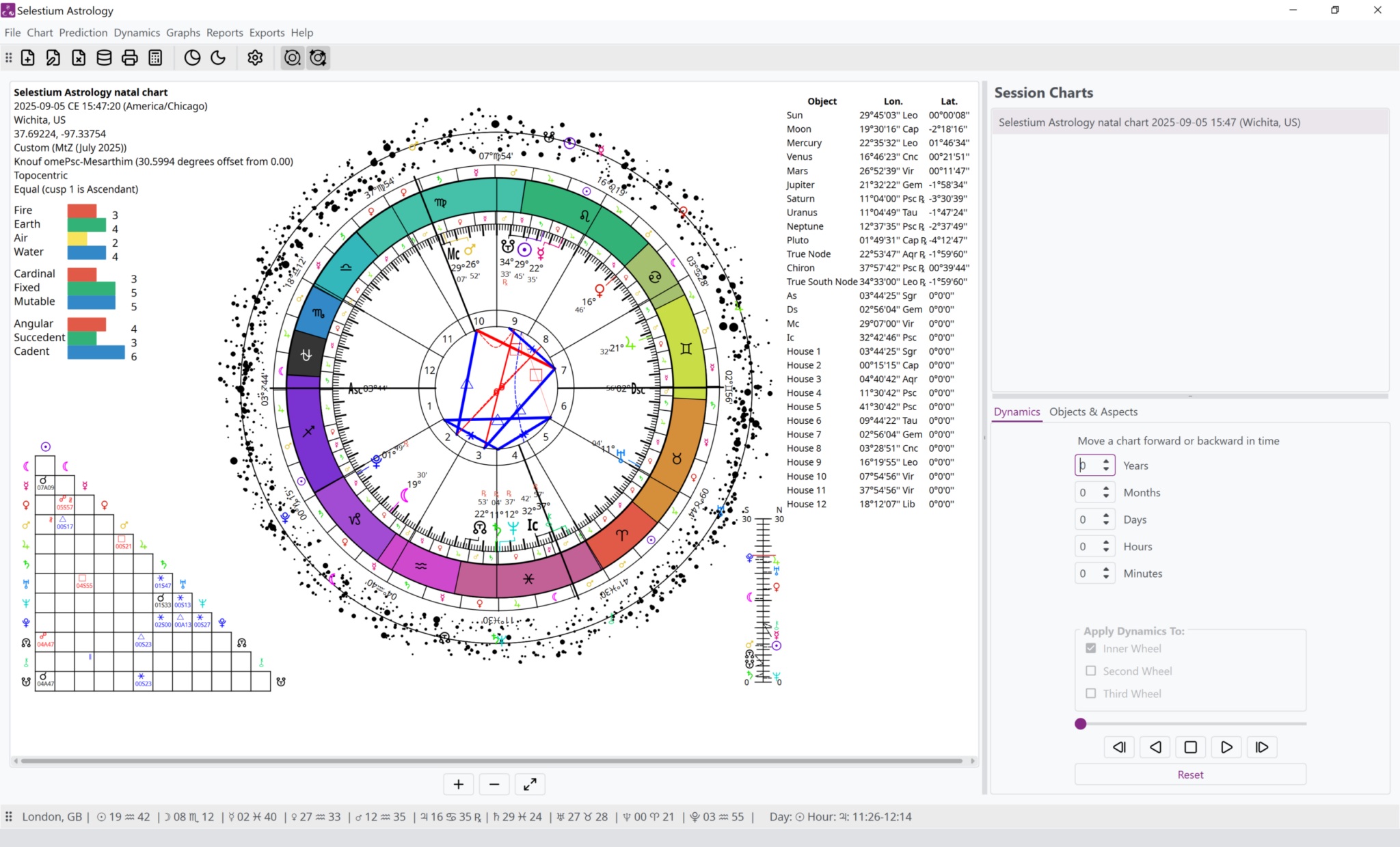
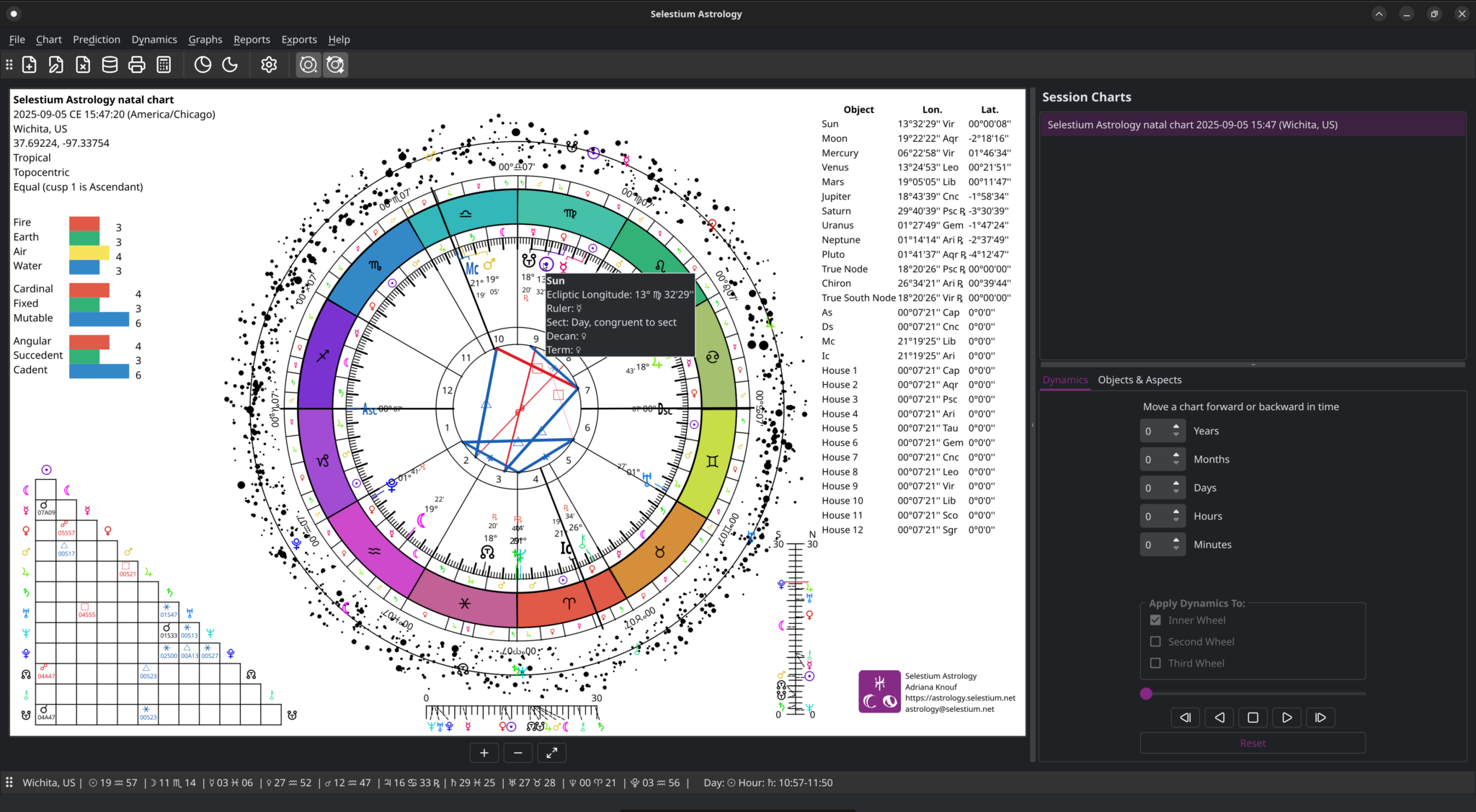
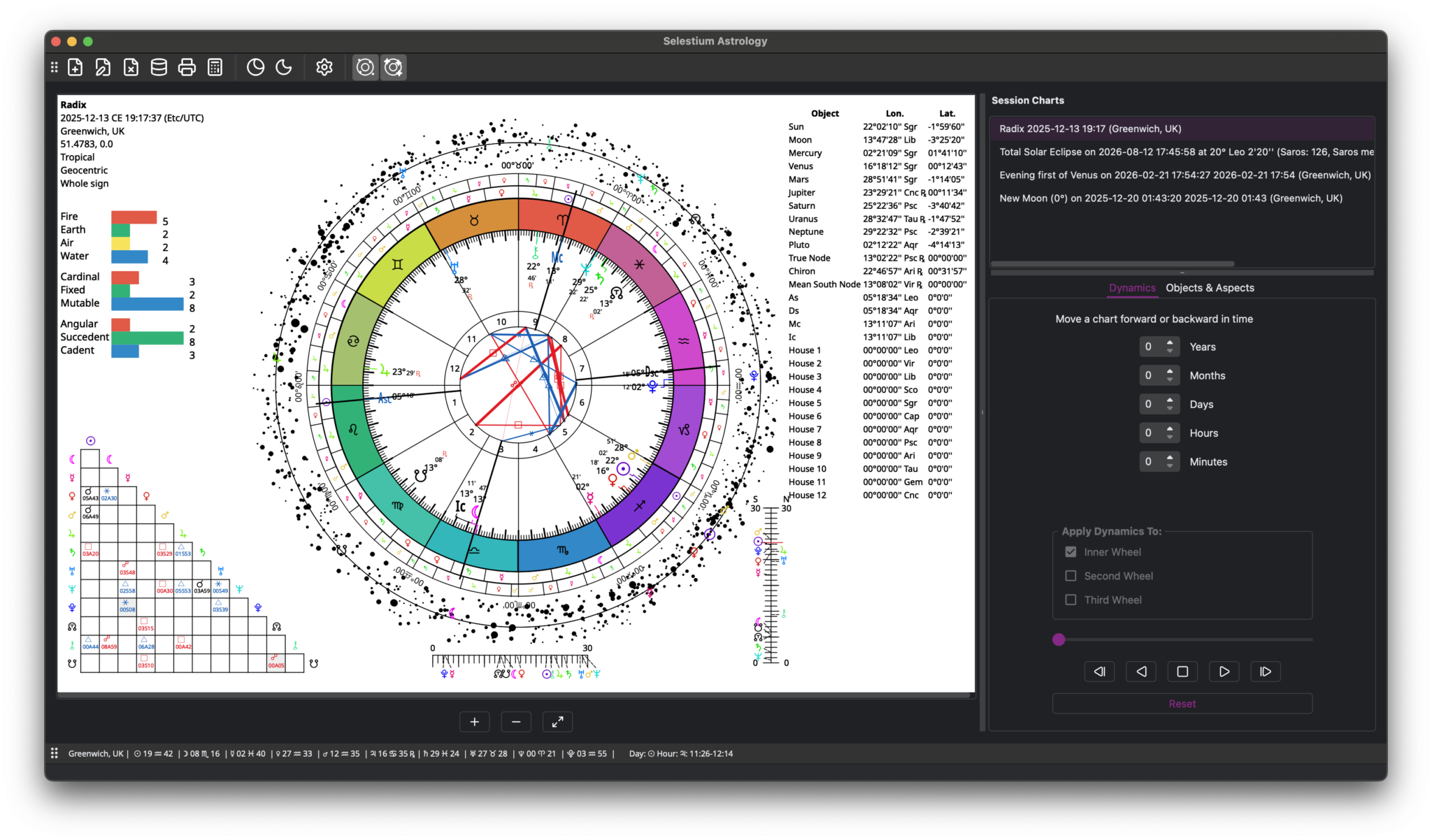
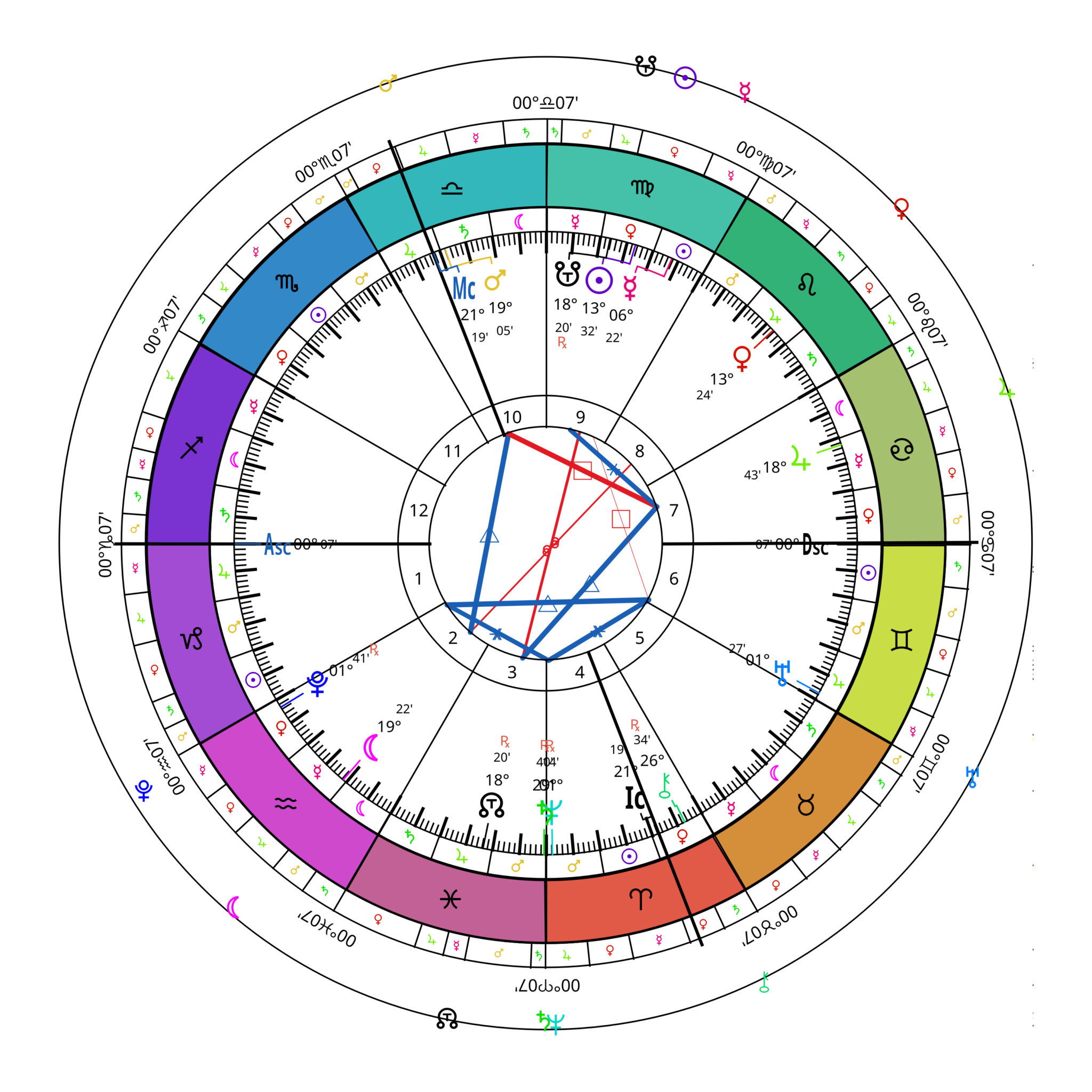
Selestium Astrology offers a unique “ecliptic ring” that shows the position of bodies above and below the ecliptic! Animating the chart shows the movement of bodies as they meander on their paths. Mercury and Venus are especially interesting to watch!
Star Ring that links you to the skies
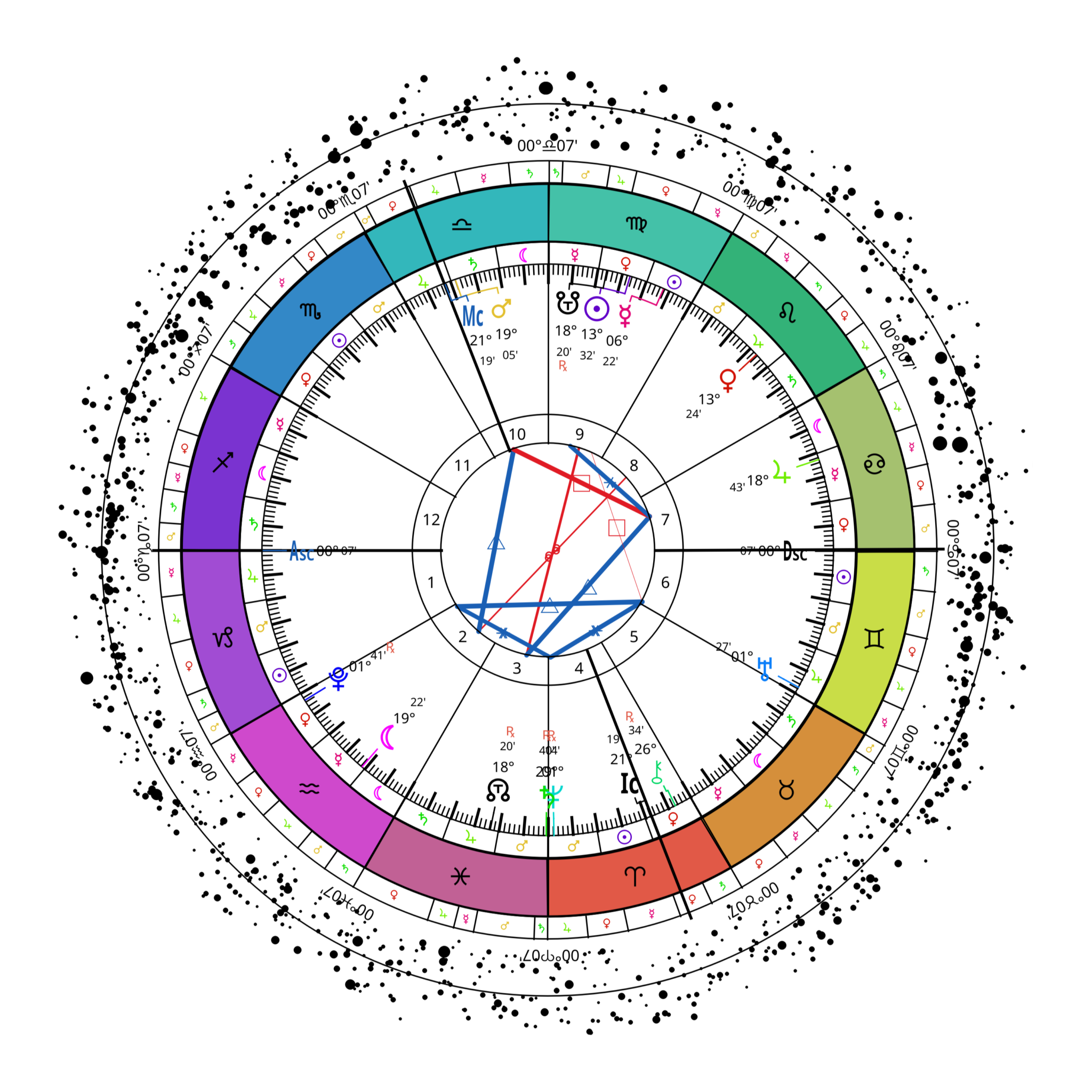
Over a thousand stars can be drawn in the “star ring”, showing the actual position of the fixed stars in the sky with respect to your zodiac (tropical, sidereal, or constellational sidereal). You can additionally filter to only show stars that are in the traditional zodiacal constellations.
Constellational Sidereal Astrology Support
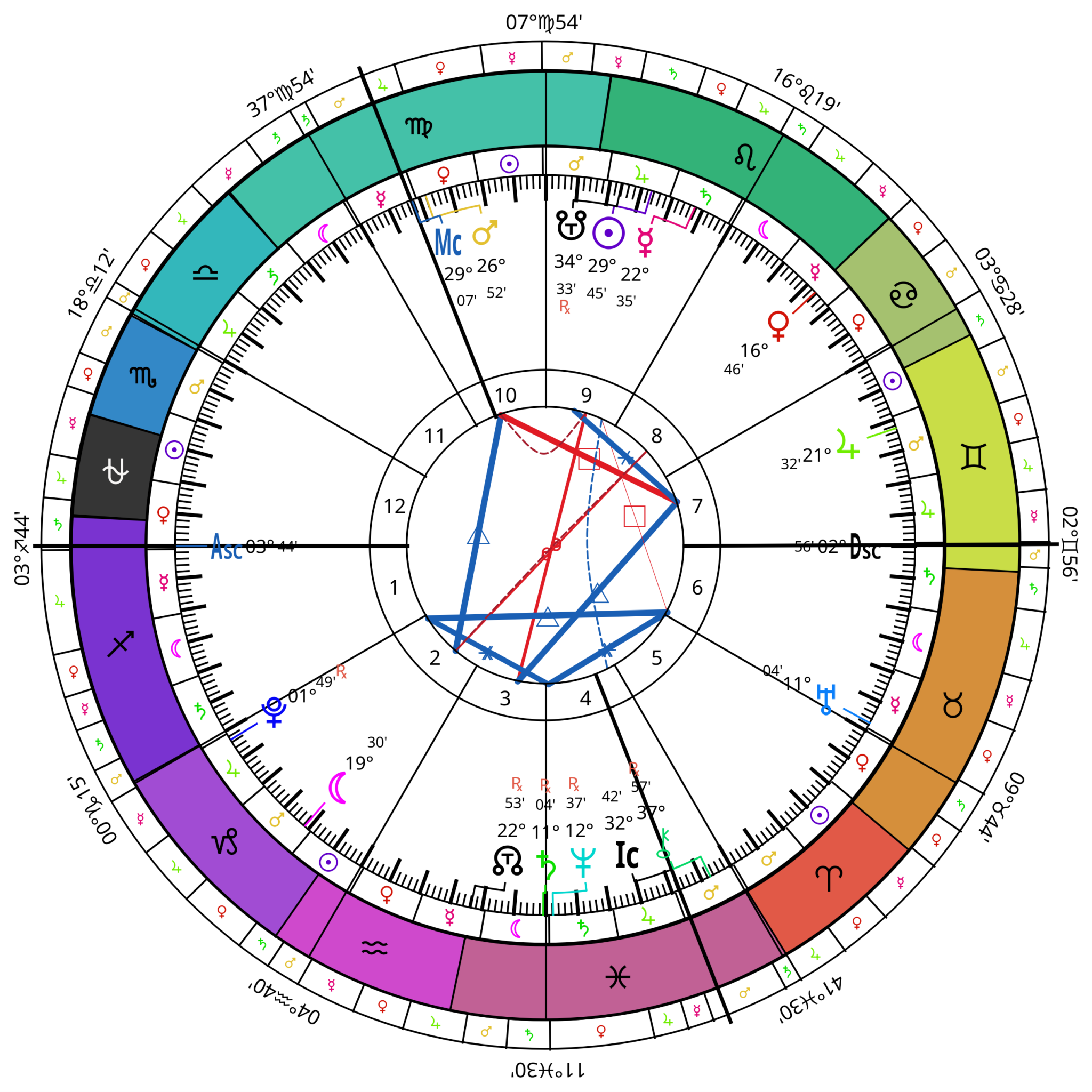
Easily generate charts based on constellational sidereal astrology principles. You can also define your own zodiacs (up to twenty different signs) with signs of any arbitrary size!
Full chart display and simple overrides
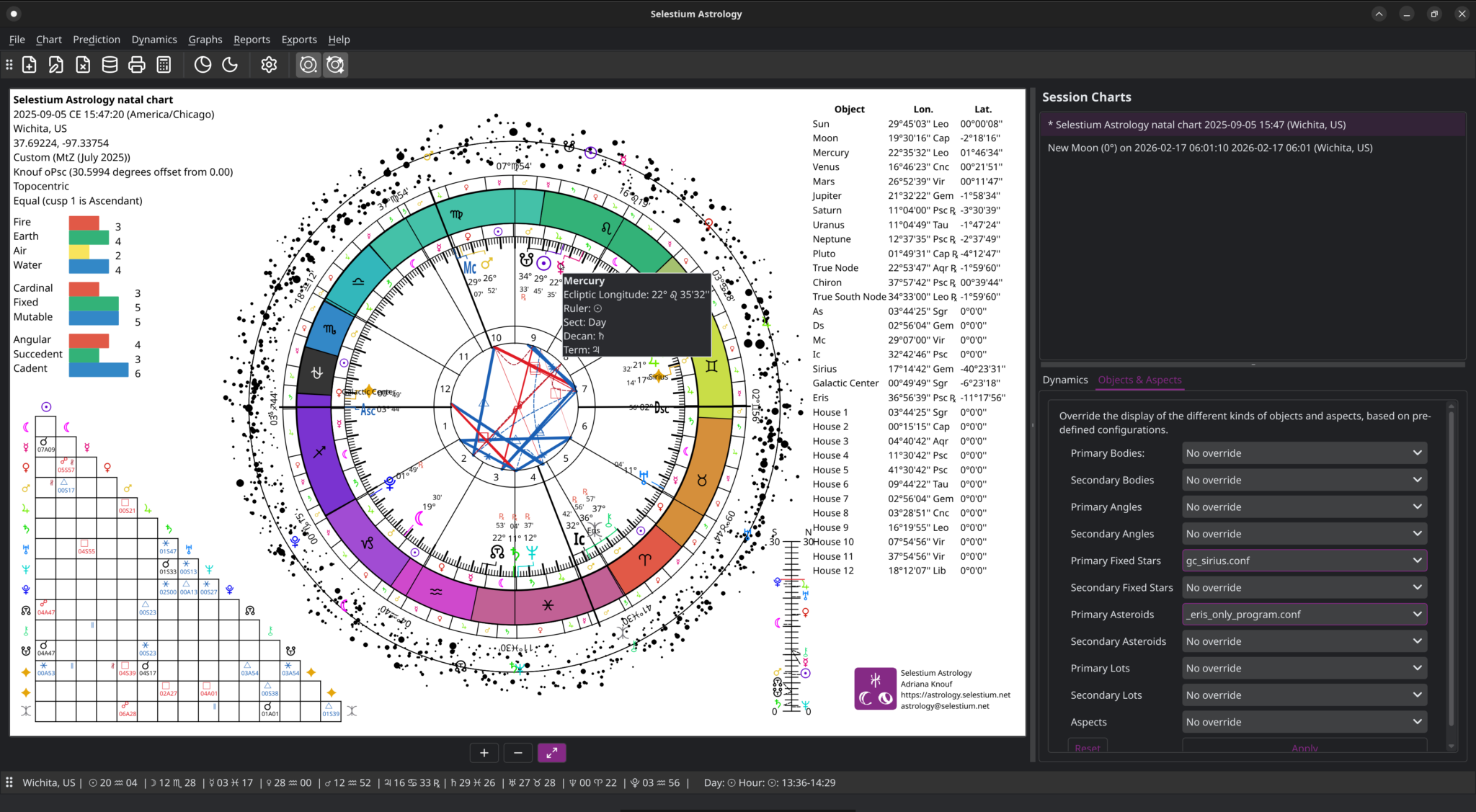
Selestium Astrology allows easy, quick overrides of the defaults to quickly examine relationships with other selected objects, such as fixed stars or asteroids.
For more images from the program, see the Software page!
Videos of some of the dynamical features
Temporal dynamics of all elements
It’s easy to dynamically move a chart forward and backward in time. When you do so, it updates all of the visual elements, including aspects, star and ecliptic rings, and dials!
Override any defaults, quickly
It’s very easy to quickly override any of the chart defaults to see the influence of other objects on the chart. And, if you want to go back to the original chart, just click the reset button!
Editions Capabilities
Selestium Astrology comes in two editions; these are the differences between them.
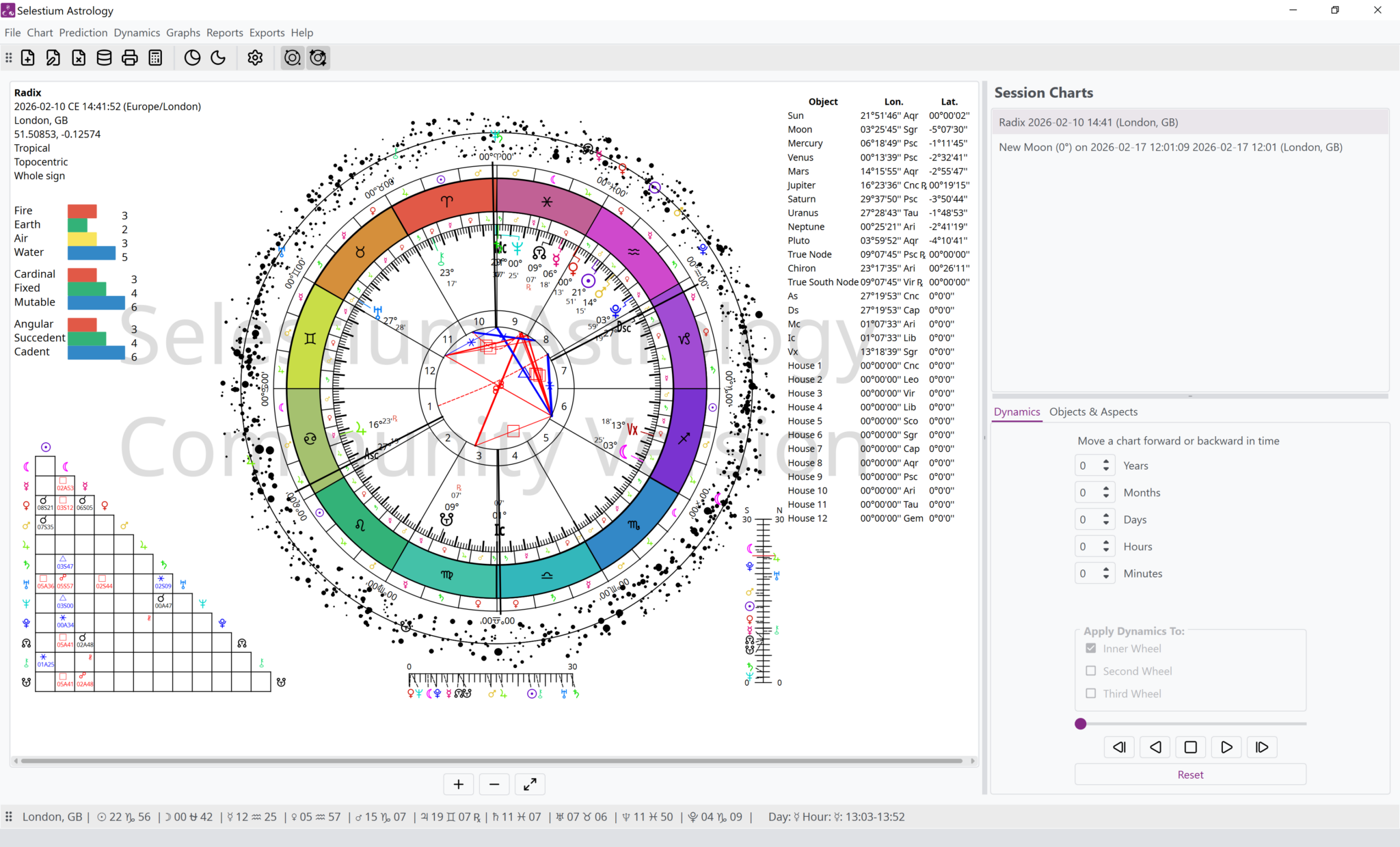
Interface showing the watermark and no compliments (what you would experience with the Community Edition (CE)). All exported images would also have this watermark.
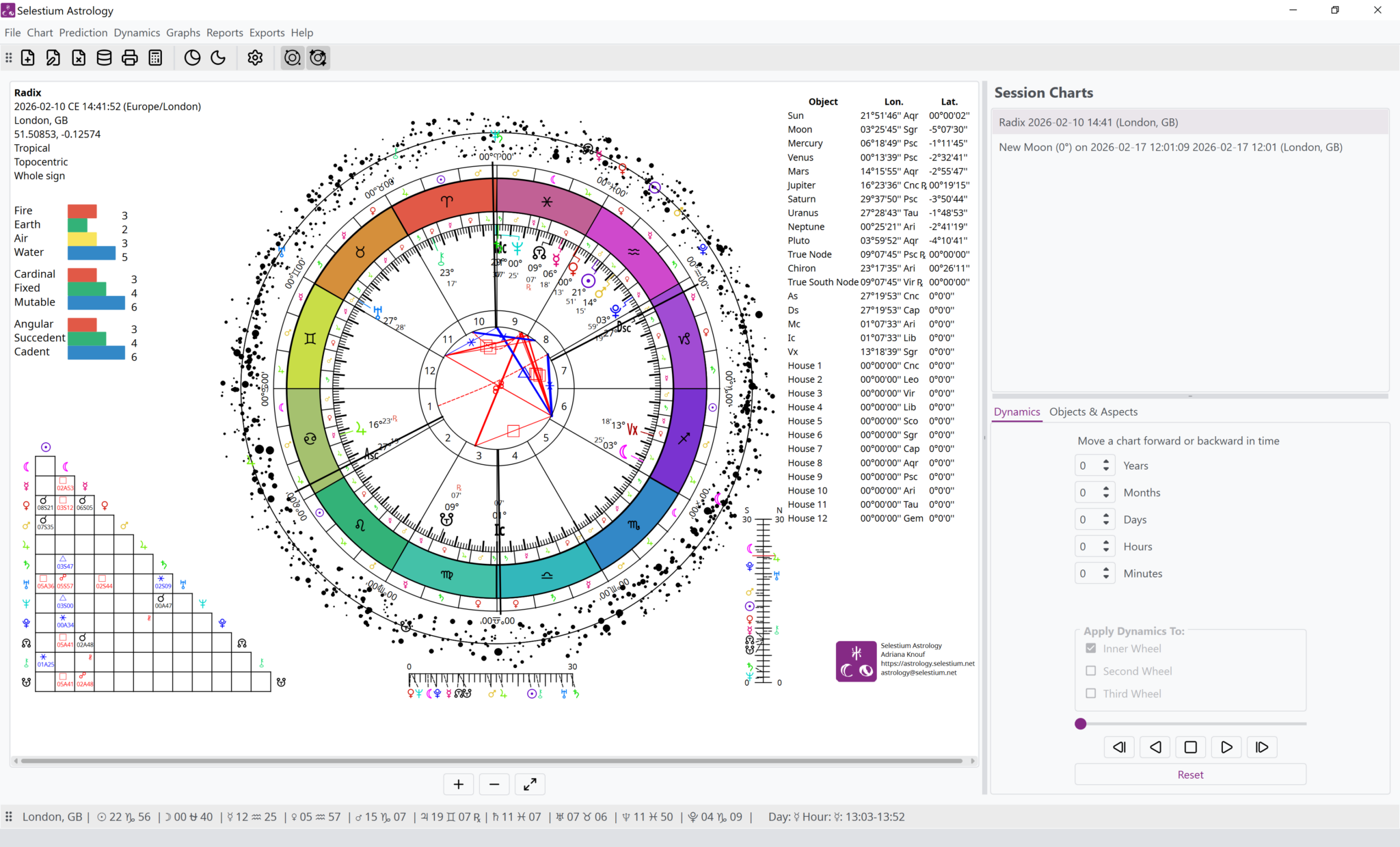
Interface showing no watermark and the compliments (what you would experience with the Supporter Edition (SE)). Exported images would not have the watermark.
Some Frequently Asked Questions (FAQ)
Selestium Astrology is owned and run by Adriana Knouf, artist, writer, musician, and educator. She has decades of experience in higher education (teaching at the undergraduate and graduate level) as well as exhibiting her artwork internationally and beyond, including a work that has flown aboard the International Space Station. More about her can be read here.
Adriana is the sole proprietress, designer, developer, programmer, website designer, marketer, and support staff of Selestium Astrology.
Adriana is currently studying astrology through the courses of Athen Chimenti of Mastering the Zodiac and Chris Brennan’s Hellenistic Astrology course. Nevertheless, she has decades of experience in studying and working with astronomical phenomena (everything from astrophotography to the development of speculative satellites to the teaching of workshops about how to use astrolabes) which all supports the development of the application.
Yes! All of the standard tools for tropical and sidereal zodiacs are (or will be) present in the software. In fact, I am very interested, as a research question, in combining traditional, Helenistic or medieval techniques with constellational sidereal approaches. As well, you will find interesting things like a Hellenistic (sign-based) aspect analysis, support for various decans and terms, and, in future versions, full support for techniques like zodiacal releasing, firdaria, and so on.
Much of the rationale can be found in the manifesto. But simply put: no desktop astrology software on the market right now is or was designed, from the ground-up, to support constellational sidereal astrology. Selestium Astrology has been. I started writing the software due to some of my frustrations with other applications, as outlined in the manifesto. As a result, all of the processing in the program are responsive to constellational sidereal zodiacs. So, if you have a constellational sidereal zodiac set as your default, that choice will be respected everywhere: in the calculation of graphic and tabular ephemerides, in the calculation of daily positions, in the calculation of ingress searches, and so on and so on. No other software (that I am aware of) supports this.
As well, Selestium Astrology additionally supports the custom definition of zodiacs of any size and number. This can be especially useful in both historical astrological research, as well as the potential definition of new zodiacs and boundaries for the future.
Finally, Selestium Astrology is one of the few open-source desktop astrology programs (licensed under the AGPLv3, and the only one, to my knowledge, that supports constellational sidereal astrology. This means that you will always have open access to your data and, if I ever am unable to continue supporting the software for any reason, someone else can easily take over, meaning that you data, your livelihood, is never locked-in to any particular vendor.
When most people hear “open source software” they assume that the program itself does not cost anything. This is not always the case. In open source software we can think of the “free software” idea as “free as in speech” (that is, if you have the source, you can do anything with the software that is allowed by the license), but not “free as in beer” (that is, you can’t just get the runable program for free). Think of the source code as the blueprints to the building. The blueprints are not the building itself.
So for Selestium Astrology I allow anyone to download the source code for free and use it and modify it according to the AGPLv3 license. But, if you are not an experienced software developer, you will not be able to just “run” the source code. I thus sell a downloadable file that can install the program on Windows, MacOS, and Linux. Making these downloadable files is not trivial. And the fee for the downloadable, runable files helps support the development of the software, while being true to my ethos of contributing back to the community through releasing the source code of Selestium Astrology.
Given that Selestium Astrology is free software, it is entirely possible to download the source code and run it yourself. If you do this, you are running the “Community Edition” (CE) of the software.
If you purchase a license to the software from this website, and download an installer from here, you are running the “Supporter Edition” (SE) of the software.
The capabilities matrix provides details on the differences between the editions. Basically, SE allows you to remove the watermark that is present on the chart, as well as enter in “compliments of” for charts and reports. It also provides you with support and access (in terms of asking questions) to the support forum. My rationale here is that if you are using Selestium Astrology in a professional, consulting capacity, you will want to remove the watermark and provide your own compliments, as well as receive support. If so, then purchasing a license (which also goes to supporting the development of the software) makes sense to me.
CE users cannot expect support from myself or others. Any support will be provided on an as-available basis.
(Given that Selestium Astrology is free software, it’s also possible for others to download the software and provide compiled installers for others to use. If the software is installed in this way, it is still considered a CE and cannot expect support from me.)
If you are confused by any of this, please feel free to reach out and ask questions at asknouf@selestium.net.
- Cost will be determined, but will be competitive with other astrology programs (online and off) based on features.
- No! I don’t believe in, nor like, subscription-based services. In the long-run they end up costing a lot more than a one-time purchase. As well, if the license server goes down, or the company disappears or goes bankrupt, you may be completely unable to use the software. (See my comments about this in the manifesto.) This should never be the case in software that is needed for your livelihood (or for any software, for that matter). While this may result in lower revenue than if I required a subscription, I believe it is the ethical thing to do.
Unfortunately not. I have designed and programmed it for desktop operating systems only (Windows, MacOS, Linux). Mobile operating systems (Android, iOS) have numerous restrictions, both now and proposed for the future, that are increasingly making them incompatible with software freedom. I don’t want to spend my limited time on this planet frustrated with arbitrary restrictions. (I say this as someone who has programmed for Android and iOS in the past, before things became extremely locked-down).
- Not everything can or should be done on the web.
- I remember a time before web apps and there may be a time in the future when the web is not as available as it is today.
More directly: I believe very strongly in software freedom and data sovereignty. When you chose to upload your private information to a website that is not owned by you (and, sometimes, even when it is owned by you), you are explicitly trusting that website owner and/or service provider to be the custodian of your data. What happens if they do something nefarious with it? What happens if the website disappears? What happens to all of your data, then? By having everything on your own machine, you become the custodian of the data. When we are dealing with people’s most intimate aspects of their lives–their natal charts and our notes about them–it behooves us to take care of this information extremely carefully. I believe that is best down on your own machines where the data is stored locally and never sent over a network.
Additionally, we all-too-often assume constant, instantaneous access to the web. Will this always be the case, for the future? That’s not a given. That’s not even the reality in many places around the around–and even in places that are part of the “Global North”. We cannot and should not assume constant internet access. As such, I have endeavored to make Selestium Astrology a completely offline application. All of the data to compute charts–from the Swiss Ephemeris data files, to the timezone databases, to the location database–is stored locally. No information, for example, has to be sent to another provider (such as Google) to lookup a location. Everything can be done without an Internet connection.
A lot of these ideas, and others, that have informed the develop of the program come from permacomputing principles, and I encourage you to read about them more if you’re interested.
Yes! Please reach out to asknouf@selestium.net and let’s talk.
Not yet! The software is still under active development. An alpha version will be available before the spring equinox 2026. If you are interested in being a tester of the software (in exchange for receiving a free license for the software for all upgrades up to version 1), please reach out. You’ll need to provide some feedback of the software in order to be considered for this program.
I aim to offer Selestium Astrology for purchase by the general public by the summer solstice 2026.
Thanks for your interest! You can subscribe to our low-volume newsletter here.
You can read all of the frequently asked questions.
Sign-up for our newsletter!
We never sell your information. Newsletters are sent out on an infrequent basis.
You can read the newsletter archives as well.